Top 10 Tips For Food and Nutrition
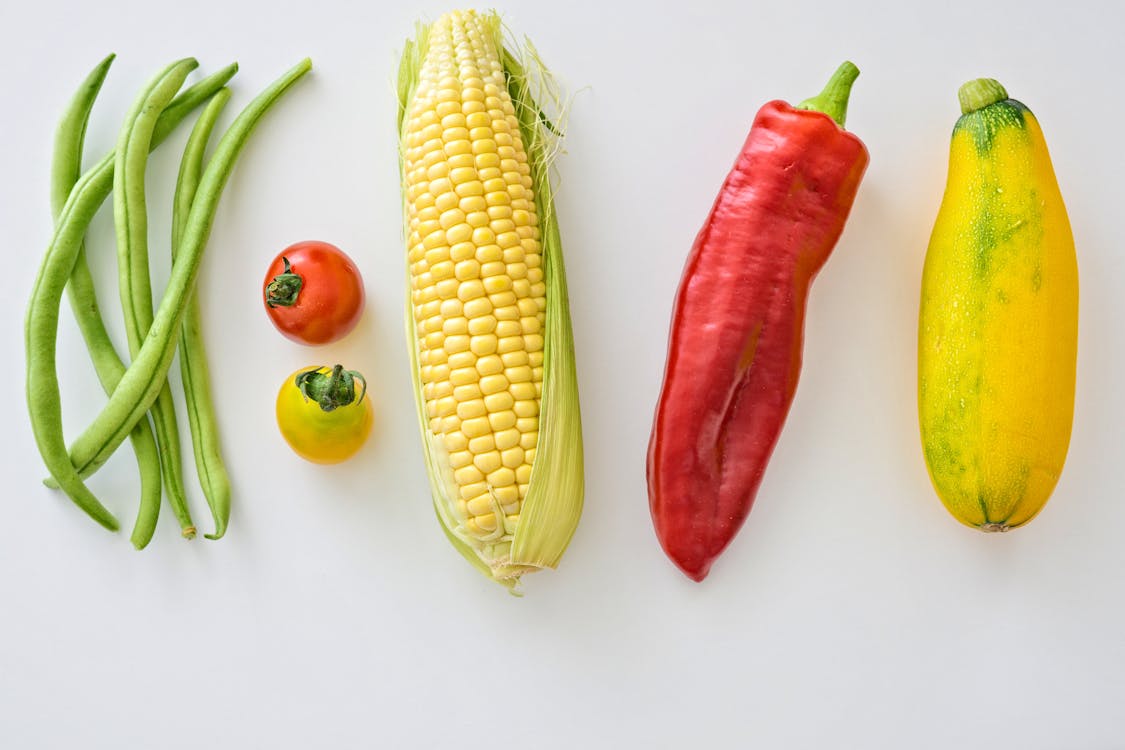
1. Eat foods rich in vitamin C every day. An adequate intake of such foods may help protect
against cancer and possibly other diseases. Besides oranges, the best sources of vitamin C are, in
alphabetical order, asparagus, blackberries, broccoli, cabbage, cantaloupe, cauliflower,
grapefruit, kale, kiwifruit, mangoes, mustard greens, peppers, raspberries, strawberries,
tangerines, and tomatoes.
2. Select foods rich in carotenoids, notably betacarotene. Research shows that these substances
may play a role in preventing disease. Their orange color tells you that carrots, sweet potatoes, and cantaloupe are excellent sources of betacarotene. But so are many dark leafy greens, such as
collard greens, kale, and spinach, as well as broccoli.
3. Be a semivegetarian. That’s someone who supplements a steady diet of vegetables, whole
grains, legumes, fruit, and dairy products with occasional moderate servings of beef, poultry, and
fish. The potential benefits are many: a lowered risk for heart disease, cancer, and diabetes, the
maintenance of a healthy weight, and fewer digestive complaints.
4. Eat tomatoes and tomato products. One fourounce tomato supplies about onethird of your
daily need of vitamin C, plus a little betacarotene, potassium, folate and other B vitamins, iron, and fiber. Tomatoes are also rich in a carotenoid called lycopene, a potent antioxidant. The
lycopene in cooked and processed tomatoes (sauce, paste, salsa, canned tomatoes) is more easily
absorbed than that in raw tomatoes. Watermelon and pink grapefruit also contain lycopene.
5. Choose skinless turkey breast—it’s just about the leanest of all meats. A threeounce portion
has less than a gram of fat and 120 calories. Plain roast turkey is your best bet: turkey cold cuts
and selfbasting turkeys can be quite high in fat.
6. Eat fish to help your heart. Eating fish just once or twice a week may significantly reduce
the risk of heart attack. The protective value of fish comes primarily from the type of
polyunsaturated fatty acids, called omega3s, found in its oil.
7. If you’re trying to lose weight, eat foods with high water content. Fruits and vegetables and dishes made with them (such as stews and smoothies), as well as
soups, can help you cut down on calories and still feel satisfied.
Food and Nutrition
8. A glass of nearly any orange juice will supply at least the daily RDA for vitamin C. Freshly
squeezed juice usually has the most vitamin C, followed by frozen and canned (which retain their
vitamin C for months), then by chilled cartons and unrefrigerated “drink boxes.” Always check
the “sell before” date. The fresher the juice, the more C.
9. Drink vegetable juice—but don’t expect it to replace whole vegetables in your diet. Vegetable juices are fairly rich in vitamins and minerals but low in calories. For instance, 6
ounces typically contains about 60% of the RDA for vitamin C and nearly half the suggested
daily intake of beta carotene. But vegetable juices provide little fiber (about a gram in 6 ounces). Commercial varieties tend to have lots of sodium.
10. Eat at least three servings of whole grains a day to reduce your risk of heart disease,
stroke, and Type 2 diabetes. These foods include wholegrain cereals and breads, oats, and
brown rice.
0 comentários:
Post a Comment